10 Years Living in Orlando: 4 Honest Lessons for Anyone Considering the Move
TL;DR — What I've learned from a decade of living in Orlando
It's been almost ten years since my family relocated to Orlando, and almost five since I started helping other families do the same as a real estate agent. This is the post for anyone who's not just analyzing Orlando from a market-data perspective, but actually trying to figure out what it would feel like to live here. The four big lessons: Orlando is layered (way more than just theme parks), neighborhood differences matter more than people expect, community doesn't happen automatically — you have to seek it, and the weather and traffic are real but manageable if you set expectations correctly.
If you're thinking about moving here, this is the part of the conversation that doesn't show up in market reports.
Why I'm writing this
Most of my blog posts are about specific neighborhoods, specific projects, specific data. This one is different. After ten years living in Orlando and almost five years helping people relocate here professionally, I've watched dozens of families make the move with very different experiences. Some thrive. Some struggle. The difference usually isn't about whether they picked the "right" house — it's about whether they had the right expectations going in.
So this is the version of advice I'd give a friend who asked me, off-the-record, what living in Orlando is actually like.
Lesson 1: Orlando is layered. Way more layered than people expect.
Orlando is sort of like an onion. (Weird analogy, I know, but stay with me.) Or maybe a better one: Orlando is like a YouTube video — there's a hook that gets you in the door, and then there's everything else.
The hook is the theme parks
For most people, their first interaction with Orlando is the theme parks. We're the theme park capital of the world. Disney, Universal, SeaWorld, Legoland — these are the things that put Orlando on the map and continue to drive massive tourism into the area. I have clients right now actively buying homes in Central Florida specifically to be closer to the parks. That's a completely valid reason to move here.
For me personally, I visited Orlando a few times before officially moving, and all I knew were the parks. I remember almost breaking my neck on Dueling Dragons at Universal. I remember Wet 'n Wild. That was Orlando to me.
But what's underneath the hook is so much more
Once you actually live here, you start to discover everything else:
- An entire art scene with galleries, festivals, and a thriving creative community
- The natural springs — Wekiwa, Rock Springs, Blue Spring, Silver Springs, Ginnie Springs. I've met people from Miami who tell me they only come to Central Florida for the springs.
- Trails, preserves, and conservation areas that rival anywhere in Florida
- An emerging food scene — to my caloric detriment, I've been documenting it on my newsletter. We're not the food scene we were 10 years ago.
- Niche communities for almost any interest you can name — pickleball leagues, board game cafes, car meets, run clubs, photography meetups, book clubs, supper clubs, you name it
That last point is the one I think most relocators underestimate. If there's something you're into — almost anything — there's likely a community of like-minded people in Central Florida already doing that thing. You just have to find them.
Lesson 2: When you say "moving to Orlando," you might mean ten different things
"Moving to Orlando" is one of the most ambiguous phrases in real estate. The Orlando metro spans four counties, hundreds of square miles, and dozens of meaningfully different submarkets. Saying you're moving to Orlando is sort of like saying you're moving to "the New York area" — what does that actually mean? Manhattan? Long Island? White Plains? Hoboken?
For simplicity, I'd group Orlando neighborhoods into three broad categories:
Suburban master-planned communities
The majority of Orlando's residential growth falls here. Lake Nona, Sunbridge / Weslyn Park, Horizon West, Wellness Way (in Clermont), Magnifica (coming to Osceola), and dozens of others. These are typically newer, with substantial amenity centers (pools, gyms, clubhouses, splash pads), HOAs that enforce design standards, and master-planned commercial centers nearby.
Rural and semi-rural areas
Parts of Lake County, eastern Osceola, north Apopka, and outlying areas of Polk County. Larger lots, more privacy, less amenity infrastructure, longer drives for almost everything. The right fit for buyers who specifically want space and don't mind driving 20+ minutes for groceries.
Urban and historic neighborhoods
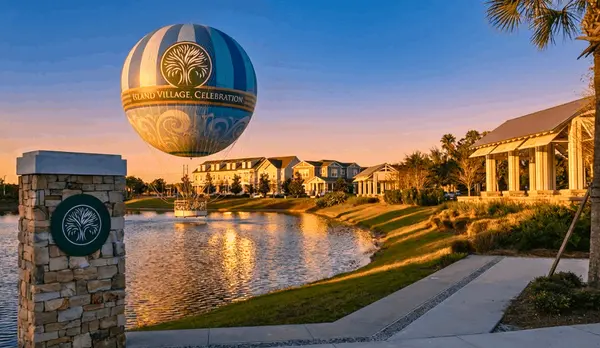
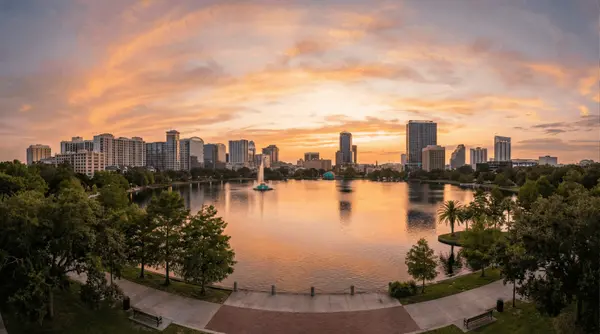
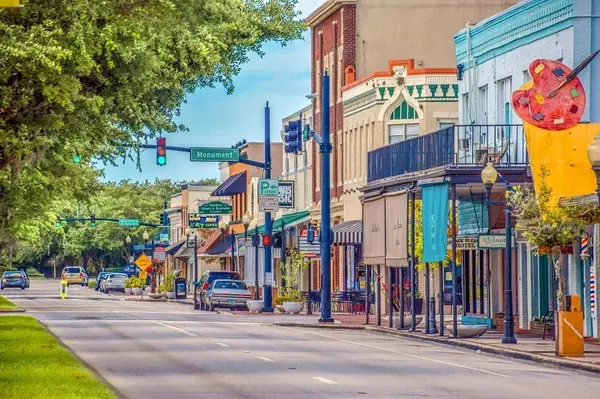
Downtown Orlando, Thornton Park, College Park, Winter Park, parts of Maitland. More mature, walkable in spots, tons of local mom-and-pop businesses, but generally without the master-planned amenities of the suburban communities.
How this plays out in real life
I had a client recently send me two homes he was considering. One was a beautiful Pulte floor plan in the Wellness Way area in Clermont — suburban, new construction, master-planned. The other was a beautiful home in College Park — historic, walkable, with mom-and-pop charm. He asked me what the vibe was like in each.
The honest answer: completely different. They're not just two homes. They're two completely different lifestyles. And he hadn't realized that.
Another quick example — I had a call recently with someone from Texas. Where they currently live is master-planned, with big community events, splash pads, neighborhood festivals. Just from watching my YouTube content, they had already gravitated toward Horizon West because the vibe felt familiar. We hopped on a call and confirmed it: Horizon West was an obvious fit because it matched the lifestyle they already knew. The transition would feel natural. Master-planned to master-planned.
The takeaway: take the time to understand which kind of Orlando you actually want before you fall in love with a specific house. Picking the wrong category will frustrate you for years even if the house itself is great.
Lesson 3: Orlando can be very lonely if you let it be
This is the lesson I rarely see discussed by other agents, and I think it's one of the most important.
When my family first moved to Orlando, we had family already living here. They showed us around. We had built-in community from day one. But after a few weeks, everyone got back to their normal routines. And then we faced the same question every relocator faces eventually: how do you actually meet people?
Why suburban Orlando can feel isolating
Most master-planned communities aren't designed for casual social connection. People drive into their garages, walk inside, and you may not see them for days. Splash pads and pools help during specific seasons, but for adults building friendships, it doesn't happen automatically. Especially if you're working from home or your job doesn't put you in regular contact with locals, suburban Orlando can be very quiet.
What worked for my family
Church was our entry point into community. We found a congregation, started showing up consistently, and that built a friend network over time. If you're already religious or open to that, it's a strong path.
What works if church isn't your thing
You have to be intentional. The community is here — it just requires you to put yourself in situations where you'll meet people. Some honest suggestions:
- Farmers markets. Every major Orlando submarket has at least one weekly farmers market. Winter Park, Audubon Park, Lake Eola downtown, Hamlin in Horizon West, Clermont. Show up, talk to vendors, become a regular.
- Local downtown events. Whatever submarket you live in, there's a downtown with events. Downtown Clermont's calendar is packed. Winter Garden's Plant Street is constant. Horizon West has resident-organized events. Show up.
- Run clubs, hiking groups, fitness communities. Orlando Runners, the Lake Eola crew, Clermont's National Training Center community, gym-specific friend groups.
- Hobby and interest groups. Pickleball leagues are exploding. Board game cafes have regulars. Car meets, pet meetups, photography walks, book clubs.
- Neighborhood-specific Facebook groups and HOA events. If your community has them, use them.
I think about this honestly: if I had stayed inside after work, never gone to events, never put myself in social situations, my view of Orlando today would be completely different — and worse — than it actually is. Community here is real, but it requires intent.
Lesson 4: The weather and traffic are real, but manageable with the right expectations
Two practical things every relocator asks about. Let me give you the honest version.
What's the weather actually like in Orlando?
It's hot, and it's sweaty hot — not the dry heat people from the Southwest are used to. Summer (May through September) consistently runs in the 90s, occasionally pushing 100°. Humidity is relentless. Outdoor activity is genuinely uncomfortable from late morning through late afternoon during summer.
What helps:
- You adjust. People with kids ramp up splash pad and pool visits. Everyone learns to do outdoor stuff in the early morning or evening during summer.
- The shoulder seasons (October–April) are genuinely fantastic. 70s and 80s, low humidity, sunshine. This is why Florida exists.
- Cold snaps happen. Just this week, one morning was 36°F and I was bundled up like Mr. Pigglesworth complaining about how freezing it was. Florida cold isn't real cold by Northeast standards, but it's surprising when it hits.
If you're seriously concerned about Florida summer heat, my honest recommendation: visit during July or August before you commit to moving. Don't visit in October and assume that's representative. The shoulder seasons are deceptively pleasant.
How bad is Orlando traffic?
It depends entirely on where you're coming from.
If you're coming from Manhattan, Houston, LA, or DC: Orlando traffic will probably feel manageable. You're used to worse.
If you're coming from a smaller city or rural area: Orlando traffic will feel jarring at first. Locals love to complain about it, and they're not entirely wrong — Orlando is a tourist destination AND a fast-growing migration market, which means traffic patterns are unusual and roadway capacity has lagged population growth in most submarkets.
The "life commute test" before you commit to a neighborhood
This is what I tell every relocator: once you've narrowed down to one or two specific neighborhoods, do the actual commute. Drive from the home to your job. Drive to your kids' school. Drive to your grocery store. Do it at the actual times you'd be doing these things daily — 7:30 AM Tuesday, not Sunday at 11 AM. Whatever number Google Maps shows you on a Sunday will be wildly optimistic compared to a Tuesday morning.
Budget for tolls
This is the most underestimated cost-of-living item in Central Florida. The Orlando metro relies heavily on toll roads — the 417, the 429, Florida's Turnpike, parts of the 408. They're genuinely faster than most non-toll alternatives, and using them saves real time. But they're not free.
I'll tell on myself: at one point I didn't have a SunPass transponder and showed up at the DMV to renew my tags. The unpaid toll total came up to somewhere between $1,000 and $1,200. To be fair, I drive over 40,000 miles per year as a real estate agent. Your toll spend will likely be much less. But if you're driving meaningful distances daily in Orlando, you'll use tolls in some capacity, and you should budget for it.
Get a SunPass transponder before you move. It pays for itself in saved discount-rate fees.
What's the biggest mistake people make when moving to Orlando?
Honestly, two related ones:
1. They treat Orlando as one place. "Moving to Orlando" without specifying which kind of Orlando — suburban master-planned, urban historic, rural — leads to disappointment when the daily reality doesn't match the imagined version.
2. They expect community to find them. It won't. Orlando rewards intentional outreach. The relocators I see thriving here are the ones who joined a church, signed up for a run club, became a farmers market regular, or otherwise put themselves in social situations. The ones who stayed inside and complained that Orlando was "boring" or "lonely" had usually never gone outside their immediate neighborhood after the first month.
How do I figure out which part of Orlando is right for me?
The honest answer is that it requires understanding your priorities, your lifestyle, and which type of Orlando experience matches both. There's no shortcut, but there are tools to make it easier.
📋 Take the Orlando Personality Quiz here: https://orlandowithmario.com/QUIZ — it'll point you to the Central Florida areas that actually fit your priorities, including which type of community (suburban, urban, rural) matches your real lifestyle.
📩 Or email me directly at info@orlandowithmario.com if you'd rather start with a conversation. After ten years living here and helping people relocate full-time, I'd rather help you find the right fit than sell you the wrong house.
🎥 Watch the original video this guide is based on: https://www.youtube.com/watch?v=-3CTz9NpyVk
Frequently asked questions about moving to Orlando
What's it actually like to live in Orlando?
Layered. Theme parks are the front door, but the city has a real food scene, art scene, natural springs and outdoor recreation, neighborhood diversity, and dozens of niche communities. The lifestyle depends entirely on which submarket you choose — suburban master-planned, urban historic, or rural. The lived experience varies dramatically by neighborhood.
Is Orlando lonely?
It can be if you let it be. Orlando is large, suburban-dominated, and not naturally conducive to spontaneous social connection. But the city has real, active communities for almost any interest — you just have to seek them out. The relocators who thrive here treat community-building as an active project for the first 6–12 months after moving.
How hot is Orlando in the summer?
Consistently in the 90s from May through September, with high humidity. Occasionally pushes above 100°F. The heat is "sweaty hot" — different from dry heat in Arizona or Texas. October through April is genuinely pleasant (70s–80s with low humidity). If you're concerned about Florida heat, visit in July or August before committing.
How bad is traffic in Orlando?
Real, but relative to where you're coming from. Coming from a major metro (NYC, LA, Houston, DC), Orlando traffic feels manageable. Coming from a smaller city, it can feel jarring. The metro relies heavily on toll roads (417, 429, Turnpike) which dramatically reduce drive times for those willing to budget the toll cost.
How much do Orlando tolls cost?
Variable by route and frequency. For an average commuter, plan on $50–$200/month in tolls. For someone driving more (40,000+ miles annually like me), it can easily exceed $1,000/year. Get a SunPass transponder before moving to Florida — you save 25%+ off cash rates and avoid the unpaid-toll surprise at DMV renewal time.
What's the Orlando food scene actually like?
Better than its reputation. Recently named one of the best food cities in America. Strong concentrations in Winter Park's Park Avenue corridor, the Milk District, downtown Orlando, and emerging in Lake Nona, Hamlin Town Center, and Sunbridge's Weslyn Park. Mix of fine dining, James Beard-recognized chefs (like Jason Chin), street food, ethnic cuisine, and food halls.
Are there springs near Orlando?
Yes, and they're underrated. Wekiwa Springs State Park, Rock Springs at Kelly Park (in Apopka), Blue Spring State Park, Silver Springs, Ginnie Springs, Salt Springs — all within reasonable driving distance from Orlando. Crystal-clear natural water, kayaking, swimming, hiking. The springs are genuinely one of Orlando's underrated lifestyle assets.
What kinds of neighborhoods does Orlando have?
Three broad categories: suburban master-planned communities (Lake Nona, Sunbridge, Horizon West, Wellness Way) which dominate the metro; urban historic neighborhoods (Thornton Park, College Park, Winter Park) with mature walkability; and rural / semi-rural areas (parts of Lake County, eastern Osceola, north Apopka). Each offers a meaningfully different daily experience.
Should I rent first or buy when moving to Orlando?
If you're confident you'll stay 5+ years and you've done your neighborhood research, buying typically wins financially. If you're uncertain about Orlando, the specific neighborhood, or your job situation, renting for 6–12 months while you learn the area is often smarter than locking into a wrong neighborhood. Many of the relocators who struggle here are people who bought too quickly into the wrong submarket.
Final thoughts
Ten years in Orlando, and I'm more convinced than ever that the city rewards relocators who set the right expectations going in. The people who do well here came knowing it's not just theme parks. They picked a neighborhood that matched their actual lifestyle. They were intentional about building community. They understood the weather and traffic for what they are. They didn't romanticize the move and they didn't catastrophize it either.
The people who struggle are usually missing one of those things. They moved here for "Florida" without realizing how much variation exists within Florida. They expected community to find them. They underestimated the summer heat or the toll road costs. They picked a house first and tried to retrofit a lifestyle around it.
If you're seriously considering Orlando, the work of figuring out which Orlando, building intentional community, and managing real expectations is worth doing. The city pays it back. After a decade, I'm still finding new things — new restaurants, new springs, new communities, new pockets of Orlando I didn't know existed. That's the version of this city most relocators don't see until they've lived here a while.
The hook is the theme parks. The actual reward is everything underneath.
Recent Posts